What Are Overdraft Fees and How to Avoid Them
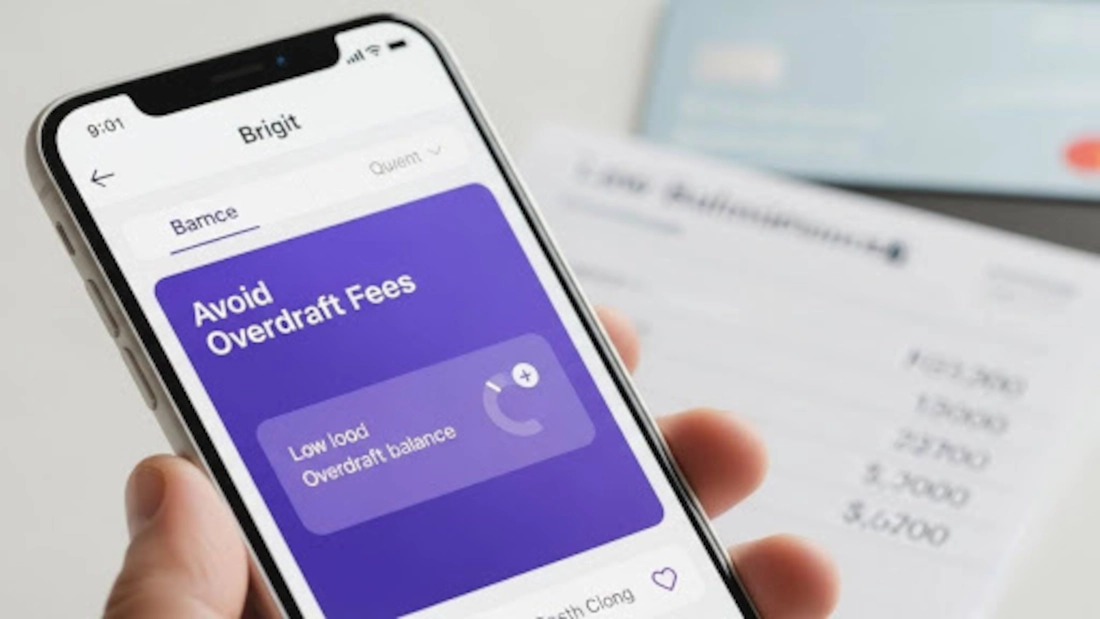
If you’ve ever seen your bank account balance go negative and then received a notice with a fee, you’ve encountered an overdraft fee. From my experience observing real banking behaviors, this is one of the most misunderstood charges. Many account holders don’t realize how it works, how banks calculate it, or how small actions can prevent repeated charges.
This article explains what overdraft fees are, why they happen, and practical strategies to avoid them, without using numbers, scenarios, or examples — focusing instead on concepts and decision-making.
TL;DR: The 30-Second Expert Verdict
Overdraft fees occur when a transaction exceeds your available account balance and your bank covers it. These fees can accumulate quickly if unchecked. The best way to avoid them is to monitor balances, set alerts, link accounts for overdraft protection, and understand your bank’s policies. Overdraft fees are avoidable with awareness and smart account management.
What Is an Overdraft Fee?
An overdraft fee is a bank-imposed charge for transactions that exceed your available balance. Banks may allow the transaction to go through, essentially lending you the amount temporarily, but they charge a fee for this service.
Key points to understand:
- Not all banks charge the same way: Policies vary for checks, debit cards, and automatic payments.
- It’s separate from interest: The fee is a flat charge for covering the negative balance, not interest accrued over time.
- Triggering events differ: Overdrafts can occur for withdrawals, bill payments, online transactions, and more.
Authoritative source: The Consumer Financial Protection Bureau explains overdraft fees and how they are triggered.
https://www.consumerfinance.gov
How Overdraft Fees Work
Overdraft fees arise when your account does not have sufficient funds, but the bank allows a transaction to go through.
Step 1: Transaction Attempt
A debit, check, or online transfer is initiated.
Step 2: Bank Covers the Shortfall
The bank temporarily covers the amount exceeding your balance.
Step 3: Fee Applied
A fixed overdraft fee is assessed. Some banks charge per transaction, while others may limit daily charges.
Step 4: Balance Updated
Your account reflects the negative balance plus the fee, which continues to affect subsequent transactions until resolved.
Authoritative source: Federal Reserve guidelines outline how banks process and handle overdrafts.
https://www.federalreserve.gov
Decision Table: Overdraft Fees — Causes vs Avoidance
| Trigger | What Happens | How to Avoid |
|---|---|---|
| Debit card transaction exceeds balance | Bank covers it, fee charged | Monitor balance, set alerts |
| Automatic bill payment | Transaction clears, fee charged | Link to overdraft protection or secondary account |
| ATM withdrawal | Insufficient funds, fee charged | Withdraw only available funds, use cash-back options |
| Check payment | Check honored despite insufficient balance | Track pending checks, maintain buffer balance |
| Multiple small transactions | Multiple fees may accumulate | Consolidate payments, review daily spending |
This table helps visualize which actions trigger fees and how to proactively prevent them.
Common Mistakes That Lead to Overdraft Fees
From real-world observation, frequent mistakes include:
- Assuming pending transactions are cleared immediately: Some payments are delayed, causing miscalculations.
- Ignoring alerts or notifications: Mobile banking notifications exist but are often turned off.
- Relying solely on memory: Forgetting small transactions or recurring payments can trigger overdrafts.
- Misunderstanding linked accounts: Not all secondary accounts automatically cover overdrafts unless explicitly set up.
How to Avoid Overdraft Fees
Practical steps that reduce risk:
1. Monitor Your Balance Regularly
Check your account frequently using mobile apps, online banking, or statements. Awareness prevents overspending.
2. Set Alerts and Notifications
Many banks allow alerts when your balance drops below a threshold or when large transactions occur.
3. Link Accounts for Overdraft Protection
Connecting a savings account or backup line of credit can cover overdrafts at lower cost than a fee.
4. Understand Your Bank’s Policies
Every institution defines overdraft rules differently — some offer free small overdraft coverage or grace periods.
5. Budget With a Buffer
Keep a small reserve in your checking account to absorb unexpected charges without triggering overdrafts.
Authoritative source: The CFPB provides guidance on reducing overdraft risk and managing account buffers.
https://www.consumerfinance.gov
Are Overdraft Fees Avoidable?
Yes, almost always. The key is awareness, planning, and using bank-provided tools. Banks charge overdraft fees as a service, but informed users can avoid them entirely by:
- Tracking balances daily
- Using alerts
- Linking accounts for protection
- Reviewing statements carefully
My Personal Recommendation: Who This Is For — and Who Should Skip It
Who should read this:
- Anyone using a checking account with a bank or credit union
- People with recurring debit or automated payments
- Users seeking better control over financial health
Who can skip it:
- Individuals who only use cash and avoid bank accounts
- Those who always maintain surplus balances beyond transaction needs






Post Comment