Installment Loans vs Cash Advances: Which One Is Cheaper?

Most people seeking quick cash face the same question: “Should I take a cash advance or an installment loan?” I’ve observed this dilemma in real financial conversations and seen how misunderstanding the long-term cost mechanisms can quietly make one option far more expensive than the other.
This article explains which one is cheaper — and why — without numbers, samples, or specific dollar examples, focusing instead on the structural cost differences that affect real outcomes over time.
TL;DR: The 30-Second Expert Verdict
Installment loans are generally cheaper over time than cash advances, because cash advances trigger immediate interest and higher fees without a structured repayment schedule. Installment loans, with predictable payments and typically lower rates, cost less when repaid over several months. This holds true except in very brief, exceptional cash-only scenarios.
Why Comparing Them Matters
From my experience working with borrowers, the cost confusion isn’t about interest rates alone — it’s about how the cost unfolds over time.
Most people think cost is a snapshot: “What do I pay today?”
In reality, cost is a timeline: “How does this impact what I owe tomorrow, next month, or next year?”
To answer the question of which is cheaper, we need to understand fundamental structural differences, not just labels.
What a Cash Advance Really Is
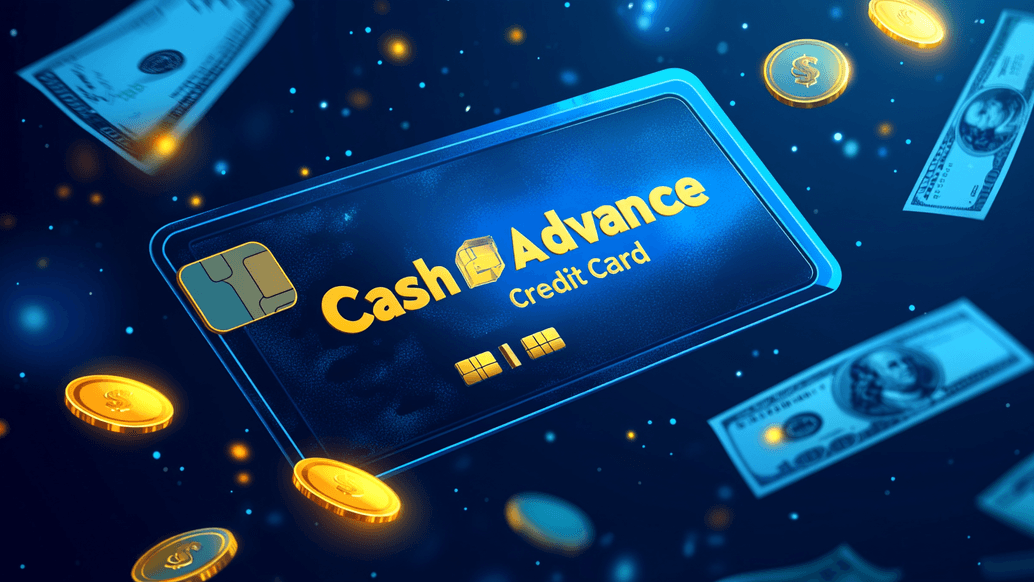
A cash advance is a way to withdraw cash using your credit card’s credit line. The kicker is that credit card cash advances do not behave like regular purchases:
- They begin accruing interest immediately — no grace period at all.
- The interest rate is usually higher than normal purchase rates.
- An upfront fee is typically added right away.
- Payments may be applied in ways that don’t reduce this balance first.
Because of these factors, the mere existence of a cash advance balance increases the long-term cost compared to standard credit card use.
Authoritative resource: The Consumer Financial Protection Bureau (CFPB) explains how credit card cash advances have distinct cost structures and interest rules on your account.
What an Installment Loan Really Is
An installment loan is a lump-sum amount you borrow and agree to repay in fixed periodic payments over a set term. Examples include personal loans, student loans, or other term loans issued by banks, credit unions, or online lenders.
Key structural features:
- A defined repayment schedule.
- Often lower interest rates compared to credit card advances.
- Predictability about when the balance will be reduced to zero.
- Payments that consistently reduce the principal.
Because installment loans give you a clear repayment plan, the total cost unfolds in a predictable way rather than compounding silently.
Authoritative resource: The Federal Reserve explains how installment credit works and how repayment schedules influence total cost and credit health.
Core Structural Differences That Drive Cost
Here’s where the real comparison happens — not in specific numbers, but in how each option builds cost over time.
Interest Timing and Cost Growth
- Cash Advance: Interest starts immediately and compounds daily.
- Installment Loan: Interest is incorporated into scheduled payments, reducing exposure over time.
Because interest on cash advances never pauses and compounds daily, time becomes the main cost driver for cash advances.
Repayment Behavior
- Cash Advance: Payments may not reduce the highest-cost component first.
- Installment Loan: Payments systematically reduce both interest and principal according to schedule.
This structural difference means installment loans give the borrower control over the timeline, while cash advances leave cost growth largely automatic.
Predictability
- Cash Advance: Cost is unpredictable without constant monitoring of balance and interest accrual.
- Installment Loan: Total repayment horizon and periodic payment amounts are clear from the start.
Predictability alone often makes installment loans cheaper in practice because borrowers can plan for and execute repayment strategies more effectively.
Decision Table: Structural Cost Comparison
| Feature | Cash Advance | Installment Loan |
|---|---|---|
| How interest begins | Immediately, daily accrual | Integrated into fixed payments |
| Grace period | None | Not typically applicable |
| Repayment structure | Revolving, can linger | Fixed schedule |
| Cost predictability | Low | High |
| Payments reduce balance | Often slowly | Systematically |
| Long-term cost influence | Time | Term and interest rate |
| Best for long repayment | ❌ | ✔️ |
This decision-focused comparison shows why installment loans tend to be cheaper in long-term cost scenarios.
When a Cash Advance Might Be “Cheaper”
There are very narrow contexts where a cash advance can be less expensive:
- You need immediate small cash and will repay extremely quickly (within days).
- An installment loan isn’t reachable due to credit history or documentation constraints.
These are exceptional, short-term scenarios — not general cases.
Why Installment Loans Usually Win on Cost
From real-world observations across borrowers and credit situations, the biggest cost driver in cash advances isn’t the fee — it’s the uncontrolled, daily accrual of interest combined with unpredictable repayment behavior. Installment loans:
- Encourage a linear reduction of balance
- Reduce interest cost steadily over time
- Provide a fixed end point, helping borrowers minimize cost
This structural advantage leads to lower total cost in most real borrowing situations.
Behavior Patterns That Increase Cash Advance Costs
Even if cash advances seem small, certain patterns amplify cost:
- Treating cash advances like regular purchases
- Making only minimum payments on a card that includes a cash advance balance
- Assuming interest is calculated monthly rather than daily
Understanding these behaviors helps explain why so many people underestimate the cost of cash advances.
My Personal Recommendation: Who This Is For — and Who Should Skip It
This comparison is for you if:
- You’re deciding between borrowing options for cash needs
- You want clarity on how long-term cost works
- You prefer structure and predictability in repayment
This topic may be less relevant if:
- You never take cash advances
- You are comparing installment loan options only within one category
- You always pay your balances in full each cycle





Post Comment