Debit Card vs Credit Card: Main Differences and Which Is Safer
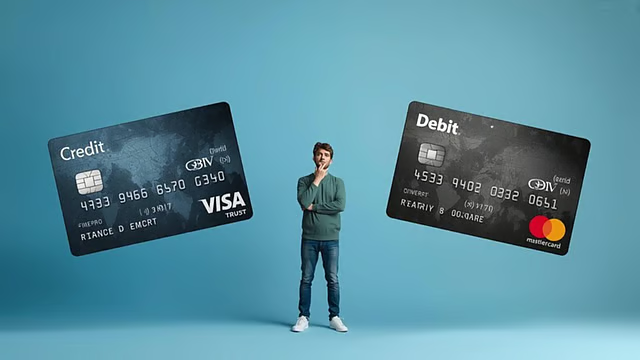
If you’ve ever hesitated before swiping your card or wondered whether a debit or credit card is the smarter choice, you’re not alone. My observation from analyzing banking behaviors and user feedback is that many people struggle with understanding the practical differences and hidden risks of each card type. The confusion often leads to unnecessary fees, potential fraud exposure, or credit score impact. This article breaks down the differences between debit and credit cards, explains their risks, and provides actionable guidance on which is safer for your unique situation.
TL;DR: The 30-Second Expert Verdict
Debit cards draw directly from your bank account and offer real-time spending control, but carry less protection against fraud. Credit cards allow deferred payments, provide stronger consumer protections, and can build credit, yet they carry overspending risk and potential debt. Safety depends on usage habits: monitor balances for debit, and pay in full for credit. Linking accounts for overdraft or choosing cards with fraud monitoring can mitigate most risks.
What Is a Debit Card?
A debit card is a payment tool that withdraws funds directly from your checking account when used. You can spend only what you have available, which naturally limits overspending.
Key points:
- Direct funds withdrawal: Transactions immediately reduce your account balance.
- Limited protection: While fraud monitoring exists, unauthorized transactions may take days to resolve.
- No interest: Since you’re using your own money, there is no interest charged.
Authoritative source: Consumer Financial Protection Bureau – Debit Cards
What Is a Credit Card?
A credit card is a line of credit provided by a financial institution. You borrow money up to a predetermined limit and repay it later, ideally in full each month.
Key points:
- Deferred payment: Transactions are billed monthly; late payments incur interest.
- Strong consumer protection: Federal regulations limit liability for unauthorized charges, and many cards include purchase protection.
- Credit building: Responsible use improves credit score over time.
Authoritative source: Federal Trade Commission – Credit Cards
Key Differences Between Debit and Credit Cards
| Feature | Debit Card | Credit Card | Which Is Safer? |
|---|---|---|---|
| Source of Funds | Your bank account | Borrowed credit | Debit avoids debt, credit protects purchases |
| Fraud Liability | Limited, but can be slower to recover | Federal limit $50, often $0 if reported promptly | Credit cards generally safer for fraud |
| Spending Control | Directly tied to balance | Risk of overspending if not tracked | Debit helps control spending |
| Credit Impact | None | Can improve or hurt score | Credit card usage affects credit score |
| Rewards & Benefits | Rare | Common (points, cashback, travel) | Credit cards offer more perks if managed |
| Fees | Overdraft or ATM fees | Interest, late payment fees | Debit fees are avoidable, credit fees depend on discipline |
This table highlights practical considerations that most articles overlook: it’s not about one being “better” but about matching card type to user behavior.
Common Mistakes Observed in Real Users
From real-world observation and forums spanning 2025–2026:
- Using debit for large online purchases without protection: Leads to longer dispute resolutions if fraud occurs.
- Relying on credit without budgeting: Easy to overspend and incur high interest.
- Ignoring alerts: Notifications for low balances or upcoming bills are often disabled.
- Confusing overdraft protection with credit lines: Users assume overdraft automatically shields them from issues.
How Debit and Credit Cards Work in Practice
Step 1: Transaction Initiation
A purchase is made online, at a store, or via ATM.
Step 2: Authorization
- Debit: Bank verifies account balance. Transaction may be declined if insufficient funds.
- Credit: Bank checks available credit limit. Transaction may be declined if limit is exceeded.
Step 3: Settlement
Step 4: Dispute and Protection
- Debit: Fraud resolution can take days; your money is temporarily unavailable.
- Credit: Protections under federal law limit liability and often provide faster refunds.
Authoritative source: Federal Reserve – Payment Systems
Decision Table: Debit vs Credit — Usage and Safety
| Situation | Recommended Card | Reason |
|---|---|---|
| Everyday small purchases | Debit | Immediate funds, avoids debt |
| Online shopping from unfamiliar seller | Credit | Better fraud protection |
| Building credit history | Credit | Helps improve credit score |
| Travel bookings | Credit | Provides purchase protection, rental car insurance |
| Strict budget adherence | Debit | Controls overspending risk |
| Emergency spending | Linked debit or credit | Protects funds without high fees |
Tips to Maximize Safety
- Monitor Transactions Frequently
Use mobile banking to track spending in real time. - Set Alerts for Low Balances or Large Charges
Both debit and credit users benefit from notifications. - Link Backup Accounts or Overdraft Protection
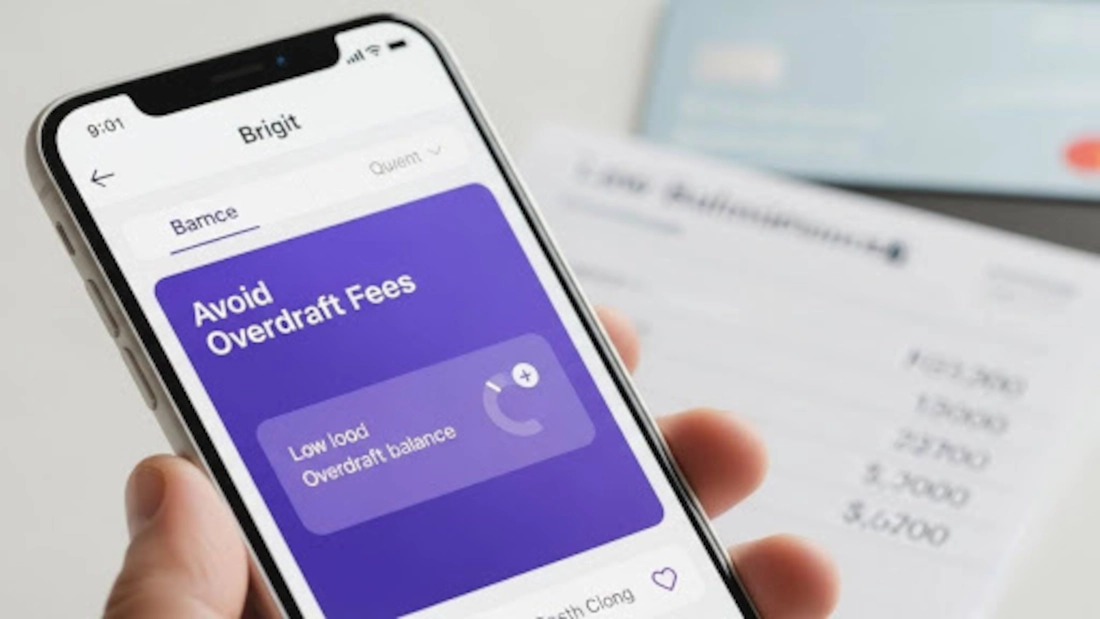
Reduces risk of declined transactions or overdraft fees. - Use Strong Passwords and Enable Two-Factor Authentication
Particularly important for online and mobile banking. - Pay Credit Cards in Full Each Month
Avoid interest and maximize rewards. - Choose Cards With Fraud Monitoring
Many financial institutions provide free real-time monitoring.
Are Debit or Credit Cards Safer?
It depends on your goals:
- Debit cards are safer for avoiding debt and overspending.
- Credit cards are safer for fraud protection, purchase security, and credit building.
The real-world observation is that informed users often carry both, using debit for daily expenses and credit for online, high-value, or travel-related transactions.
My Personal Recommendation: Who This Is For — and Who Should Skip It
Who should read this:
- Individuals managing personal finances carefully
- Users who want fraud protection without losing control of money
- People seeking credit building while avoiding overspending
Who can skip it:
- Users who only use cash and avoid banking systems
- Individuals unwilling to monitor balances or track payments



Post Comment